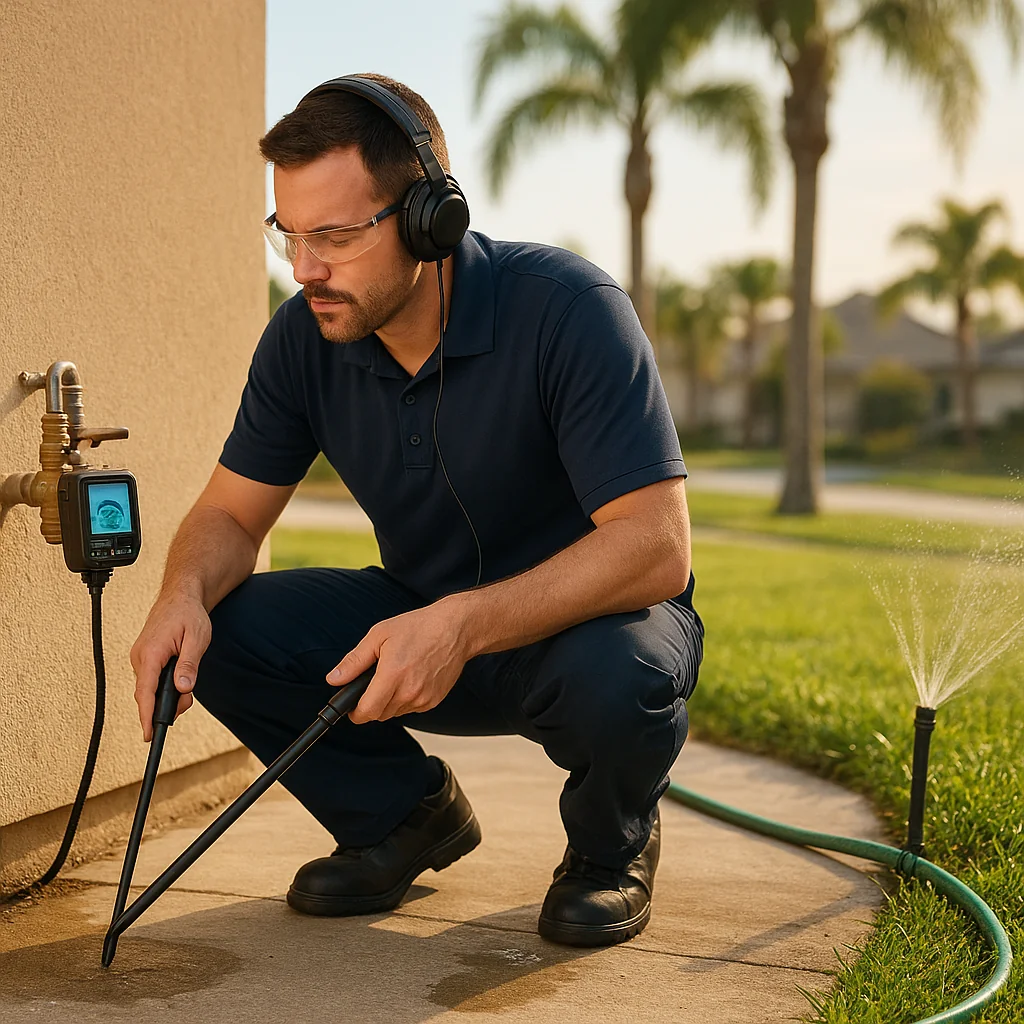
Understanding Low Water Pressure During Orlando’s Peak Summer Season
If you’ve noticed your shower pressure weakening or faucets trickling instead of flowing during Orlando’s sweltering summer months, you’re not alone. Low water pressure during peak summer demand is a common complaint among Central Florida homeowners, but what many don’t realize is that this issue often signals something more serious than simple municipal strain. While increased water usage across neighborhoods does contribute to pressure fluctuations, persistent low pressure in your home could indicate hidden slab leaks, corroded pipes, or underground water line failures that require immediate professional attention.
Orlando’s unique combination of factors creates the perfect storm for water pressure problems during summer. The region experiences its highest water consumption from June through September, when temperatures regularly exceed 90 degrees and afternoon thunderstorms are frequent. Homeowners run irrigation systems more often, fill pools, and increase indoor water usage for cooling and cleaning. However, when your neighbors seem fine but your home struggles with weak water flow, the problem likely originates within your property’s plumbing system rather than the municipal supply.
The Real Culprits Behind Summer Water Pressure Loss
While municipal water demand does increase during summer months, most modern water systems in Orlando are designed to handle seasonal fluctuations. When you experience consistent low pressure that doesn’t improve during off-peak hours (typically early morning or late evening), you’re likely dealing with one of these underlying issues:
Hidden Slab Leaks Beneath Your Foundation
Slab leaks represent one of the most insidious causes of water pressure loss in Orlando homes. These leaks occur when copper or PEX water lines running beneath your concrete foundation develop cracks, pinhole leaks, or complete breaks. As water escapes from these pressurized lines before reaching your fixtures, you experience reduced flow throughout your home. The problem intensifies during summer because Florida’s clay-rich soil expands and contracts with moisture changes, placing additional stress on underground pipes.
Homes built in the 1970s through 1990s are particularly vulnerable, as many were constructed with copper piping that has now reached or exceeded its expected lifespan. The combination of soil pressure, water chemistry, and decades of use creates the perfect conditions for failure. If you suspect a slab leak might be affecting your water pressure, professional underground pipe leak detection services can pinpoint the exact location without destructive exploratory digging.
Corroded Galvanized Pipes
Many older Orlando homes still have sections of galvanized steel piping, particularly in areas like University Square where housing stock dates back several decades. These pipes corrode from the inside out, gradually restricting water flow as rust and mineral deposits accumulate. The process accelerates during summer when water usage increases and pipes experience more frequent temperature fluctuations. What starts as slightly reduced pressure can quickly deteriorate to barely functional fixtures.
Pressure Regulator Failure
Your home’s pressure regulator controls the force at which municipal water enters your plumbing system. These devices typically last 10-15 years but can fail prematurely due to Florida’s hard water and high mineral content. When a regulator fails, it often reduces incoming pressure rather than increasing it, creating the illusion of a municipal supply problem when the issue is actually at your property line.
Main Line Leaks and Breaks
The water line running from the street to your home operates under constant pressure and sits buried in soil that shifts with Florida’s wet and dry seasons. Summer’s combination of heavy rainfall followed by intense heat creates soil movement that can crack or separate pipe joints. These leaks waste thousands of gallons while simultaneously reducing the pressure available to your home’s fixtures.
How Orlando’s Summer Conditions Amplify Plumbing Problems
Central Florida’s climate creates unique challenges that don’t exist in other regions. Understanding these factors helps explain why summer water pressure issues are so common in Orlando:
Extreme Temperature Fluctuations
Orlando summer days often reach 95+ degrees, while underground soil temperatures remain much cooler. This temperature differential causes pipes to expand and contract repeatedly, stressing joints and weakening already-compromised sections. Copper pipes are particularly susceptible to this thermal stress, developing pinhole leaks at joints and bends.
Soil Composition and Movement
Much of Orlando sits on clay-based soil that absorbs water during rainy periods and contracts during dry spells. This constant expansion and contraction applies pressure to underground pipes from all directions. Neighborhoods in areas like Northdale experience particularly challenging soil conditions that contribute to premature pipe failure.
Increased Municipal Chlorination
Water treatment facilities often increase chlorination levels during summer months to combat bacterial growth in warmer water. While this keeps drinking water safe, higher chlorine concentrations accelerate the corrosion of copper pipes, particularly at pinhole-prone areas where the protective oxide layer has worn thin.
Irrigation System Demand
Automatic sprinkler systems represent a significant draw on your home’s water pressure. When these systems activate during peak usage times, they can mask underlying pressure problems or make existing issues more noticeable. If your indoor pressure drops significantly when irrigation runs, you may have a leak in the system or inadequate pipe sizing for your home’s total demand.
Distinguishing Between Municipal and Property-Specific Issues
Before assuming your low pressure stems from citywide demand, perform these simple diagnostic tests:
The Neighbor Check
Ask neighbors on your street if they’re experiencing similar pressure problems. If their water flows normally while yours doesn’t, the issue originates within your property. Municipal supply problems affect entire neighborhoods or service areas, not individual homes.
Time-of-Day Testing
Check your water pressure at different times throughout the day. Municipal demand typically peaks between 6-9 AM and 6-9 PM when people shower and prepare meals. If your pressure remains consistently low regardless of the time, you likely have a property-specific problem rather than a supply issue.
Hot vs. Cold Water Comparison
Run hot and cold water separately from the same fixture. If cold water flows normally but hot water trickles, the problem lies with your water heater or hot water distribution lines. If both are equally weak, the issue affects your main supply line or exists at multiple points in your system.
Single Fixture vs. Whole-House Problem
Test water pressure at multiple locations throughout your home. Low pressure at one sink might indicate a clogged aerator or localized pipe blockage, while whole-house low pressure suggests a main line leak, slab leak, or pressure regulator failure.
The Hidden Costs of Ignoring Low Water Pressure
Many homeowners adapt to gradually declining water pressure without realizing the financial and structural consequences of delayed action:
Water Waste and Inflated Bills
A slab leak losing just one gallon per hour wastes 720 gallons monthly and 8,760 gallons annually. At Orlando’s average water rates, this translates to hundreds of dollars in wasted water and sewer charges. Larger leaks can waste tens of thousands of gallons, creating shocking utility bills that continue month after month until the leak is repaired.
Foundation Damage
Water escaping beneath your foundation doesn’t simply disappear. It saturates the soil, causing erosion that creates voids under your concrete slab. Over time, these voids allow the foundation to crack and settle unevenly, leading to structural damage that costs tens of thousands to repair. Early detection and slab leak rerouting prevents this cascading damage.
Mold and Indoor Air Quality Problems
Moisture from slab leaks can wick up through concrete and into flooring materials, creating perfect conditions for mold growth. Florida’s humidity already challenges indoor air quality, and hidden moisture from plumbing leaks compounds the problem. Mold remediation adds thousands to repair costs and poses health risks to occupants.
Decreased Property Value
Unrepaired plumbing issues significantly impact home values and can derail real estate transactions. Home inspections routinely include water pressure testing, and buyers rightfully hesitate when faced with evidence of ongoing leaks or pressure problems. Addressing issues promptly protects your investment.
Professional Solutions for Persistent Pressure Problems
When DIY troubleshooting doesn’t resolve your water pressure issues, professional intervention becomes necessary. Modern leak detection and repair techniques have evolved significantly, offering solutions that minimize disruption while providing lasting results.
Advanced Leak Detection Technology
Professional leak detection specialists use sophisticated equipment that locates problems without destructive exploratory work. Electronic listening devices detect the sound signature of water escaping under pressure, while thermal imaging cameras identify temperature anomalies caused by water accumulation. These non-invasive methods pinpoint leak locations within inches, allowing for targeted repairs that minimize damage to flooring and landscaping.
Targeted Repair vs. Complete Repiping
Not every plumbing problem requires whole-house repiping. When leaks are isolated to specific sections, partial slab penetration repair addresses the immediate problem while preserving functioning portions of your system. This approach reduces costs and completion time while solving your pressure issues effectively.
Pipe Rerouting Options
In cases where beneath-slab pipes have deteriorated extensively or where soil conditions make future leaks likely, rerouting water lines through attic spaces or along exterior walls provides a permanent solution. This approach eliminates the vulnerability of under-slab piping while maintaining full water pressure throughout your home.
Preventive Measures for Orlando Homeowners
While some plumbing problems are unavoidable, proactive maintenance reduces the likelihood of summer pressure crises:
- Annual Pressure Testing: Have your home’s water pressure professionally tested each year, ideally before summer’s peak demand period. Baseline measurements help identify gradual declines that might otherwise go unnoticed.
- Water Quality Monitoring: Install a whole-house water softener if you have hard water. Reducing mineral content extends pipe life and prevents scale buildup that restricts flow.
- Pressure Regulator Maintenance: Replace your pressure regulator every 10-15 years as preventive maintenance rather than waiting for failure.
- Irrigation System Inspection: Have your sprinkler system checked annually for leaks and proper zone isolation. Irrigation leaks often go unnoticed but waste enormous amounts of water while reducing indoor pressure.
- Foundation Monitoring: Watch for signs of foundation settlement, cracks, or moisture intrusion that might indicate hidden leaks affecting your home’s structural integrity.
When to Call Slab Leak Repair South
Certain warning signs demand immediate professional attention. Contact Slab Leak Repair South if you experience any of these symptoms:
- Sudden or progressive loss of water pressure affecting multiple fixtures
- Unexplained increases in water bills without corresponding usage changes
- Sounds of running water when all fixtures are turned off
- Warm spots on floors or unusually warm areas in your foundation
- Cracks appearing in foundation, walls, or tile floors
- Moisture or mold developing in unexpected areas
- Your water meter continues running when all water is shut off inside your home
Our team specializes in slab leak detection and repair throughout the Orlando area, using the latest technology to locate and resolve pressure problems quickly. We understand the urgency of plumbing issues during Florida’s demanding summer season and provide prompt, professional service that restores your home’s water pressure while protecting your foundation from further damage.
Understanding Your Home’s Plumbing System
Knowledge empowers homeowners to make informed decisions about plumbing maintenance and repairs. Your home’s water supply system consists of several key components, each of which can contribute to pressure problems:
The main water line brings municipal water from the street to your home, typically entering through the foundation. From there, distribution lines branch throughout your house, running beneath the slab to supply various fixtures. In multi-story homes, vertical supply lines carry water upward to second-floor bathrooms and kitchens.
Each of these components operates under constant pressure, typically between 40-80 PSI in residential systems. When leaks develop, they create pressure drops proportional to the leak’s size and location. A small pinhole leak near the end of a supply line might only affect one fixture, while a major break in your main line impacts your entire home.
Understanding this system helps you communicate effectively with plumbing professionals and make informed decisions about repair approaches. Whether your situation calls for targeted leak repair, pipe rerouting, or system upgrades, knowing how your plumbing works ensures you can evaluate recommendations and choose the best solution for your home.
Leave a Reply