Why Your Water Bill Spikes in Late Summer for Orlando Homes
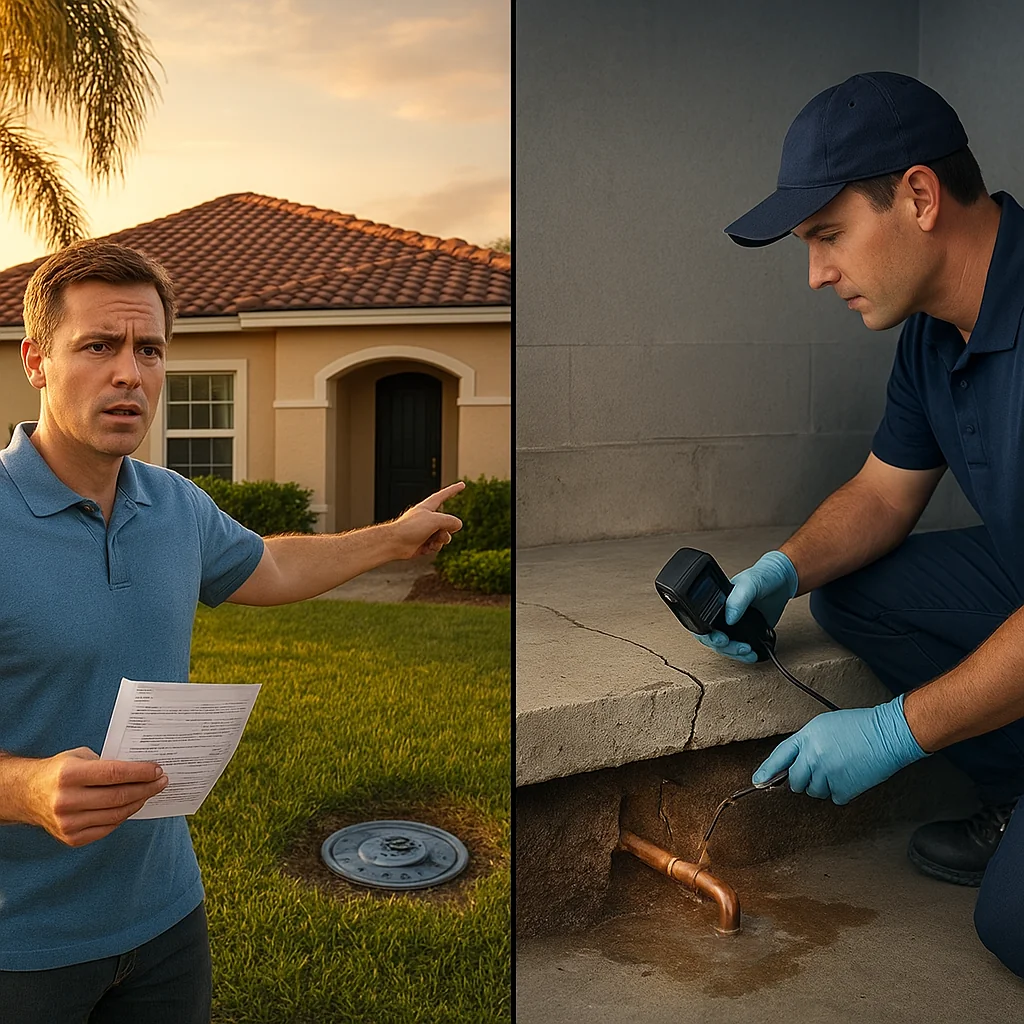
In Orlando, many homeowners notice a sudden rise in their water bill during the late summer months. While increased outdoor watering and higher humidity are common suspects, a hidden slab leak is often the silent driver behind the unexpected cost surge.
Understanding Seasonal Water Usage Patterns
Late summer in Central Florida brings a combination of high temperatures, lingering rain showers, and a renewed focus on lawn care. Homeowners typically run sprinklers earlier in the morning to avoid evaporation, and pools may require more frequent topping‑off. These legitimate uses can raise consumption by 10‑20 percent, but when the bill climbs dramatically—sometimes doubling—it signals a deeper issue.
What Is a Slab Leak?
A slab leak occurs when a water pipe beneath the concrete foundation of your home develops a crack or joint failure. Because the leak is hidden under the slab, it often goes undetected for weeks or months. The water seeps into the soil, evaporates, or creates damp spots that can damage flooring, foundations, and indoor air quality.
Why Late Summer Makes Slab Leaks Worse
- Groundwater Levels Rise – Heavy rain in July and August raises the water table, increasing hydrostatic pressure on underground pipes.
- Thermal Expansion – Concrete expands in the heat, putting extra stress on pipe joints that may already be weakened.
- Increased Water Demand – Longer irrigation cycles and pool refills push more water through aging pipe systems, exposing weak points.
These factors combine to accelerate the rate of water loss, turning a slow drip into a noticeable surge on your meter.
Spotting the Signs Before the Bill Hits
Before you open your next bill, look for these tell‑tale clues:
- Warm or damp spots on the floor that don’t correspond to a known leak.
- Unexplained mold or mildew growth in basements or crawl spaces.
- Higher than normal humidity levels inside the home.
- Sudden drops in water pressure followed by a slow recovery.
Even if you don’t see visible damage, the hidden nature of slab leaks means the only reliable way to confirm a problem is through professional detection.
How Professionals Detect a Slab Leak
Modern slab leak detection relies on a combination of acoustic technology, thermal imaging, and pressure testing. Technicians listen for the sound of water escaping the pipe using highly sensitive microphones, then pinpoint the location with a listening probe. Thermal cameras can reveal temperature differentials caused by escaping water, especially after a rainstorm when the surrounding soil is cooler.
For urgent cases, Emergency Slab Leak Detection services are available 24/7, ensuring that a rapidly worsening leak is addressed before it compromises structural integrity.
Repair Options: From Minor Fixes to Full Pipe Replacement
Once the leak is located, the repair method depends on its size, location, and the age of the plumbing system. Common solutions include:
- Epoxy Pipe Coating – A trenchless method that lines the interior of the pipe with a durable polymer.
- Pipe Rerouting – Cutting a section of the slab and installing new piping, often used for extensive damage.
- Cold Water Line Slab Leak Repair – Specialized repair of the main cold water line, which is a frequent source of hidden leaks. Learn more about this service here.
Choosing the right approach balances cost, disruption, and long‑term reliability. A reputable contractor will provide a clear explanation of each option and its impact on your home’s warranty.
Local Insight: Why Orlando Homeowners Should Act Quickly
Orlando’s unique climate—hot, humid, and prone to sudden downpours—means that water damage can spread faster than in dryer regions. A slab leak that starts in July can, by September, cause foundation settling, wood rot, or even mold growth that threatens indoor air quality.
If you live in neighborhoods like Seminole Heights or Channelside, you’re surrounded by homes built in the 1970s and 1980s, when copper and early‑generation PVC were common. Those materials are especially vulnerable to corrosion under the stress of Florida’s soil conditions.
Preventive Measures to Keep Your Bill Stable
Even after a repair, ongoing vigilance helps prevent future spikes:
- Schedule annual slab leak inspections, especially after the rainy season.
- Install a water‑flow monitor that alerts you to abnormal usage patterns.
- Maintain proper grading around your home to direct surface water away from the foundation.
- Consider a water‑softening system to reduce mineral buildup that can stress pipes.
These steps not only protect your wallet but also extend the lifespan of your plumbing infrastructure.
When to Call a Professional
If you notice any of the warning signs, or if your water bill jumps more than 30 percent compared to the previous month, it’s time to reach out to a certified slab leak specialist. Professional detection minimizes unnecessary demolition, speeds up repairs, and provides documentation for insurance claims.
For a comprehensive evaluation, contact Slab Leak Repair South at (844) 257-3729 or visit our Slab Leak Repair service page to learn more about our approach.
Leave a Reply