Direct answer for Orlando home buyers
If a slab leak is discovered during a late‑summer home inspection in Orlando, the buyer should immediately assess the severity, understand the repair options, and factor potential costs into the purchase agreement. Late summer can reveal hidden leaks because higher temperatures increase water usage and pressure, making problems more visible.
Why late‑summer inspections are critical in Orlando
Orlando’s hot, humid climate puts extra strain on plumbing systems. During the summer months, irrigation systems run more frequently, and homeowners often use more water for cooling and outdoor activities. This increased demand can expose weaknesses in the concrete slab and buried water lines that might remain dormant during cooler seasons.
Common signs of a slab leak in a summer inspection
- Unexpectedly high water bills despite normal usage.
- Warm or cool spots on the floor that feel damp.
- Visible water stains on walls or ceilings directly above the slab.
- Unusual sounds such as hissing or gurgling from beneath the floor.
- Foundation cracks that appear suddenly.
Detection methods used by professionals
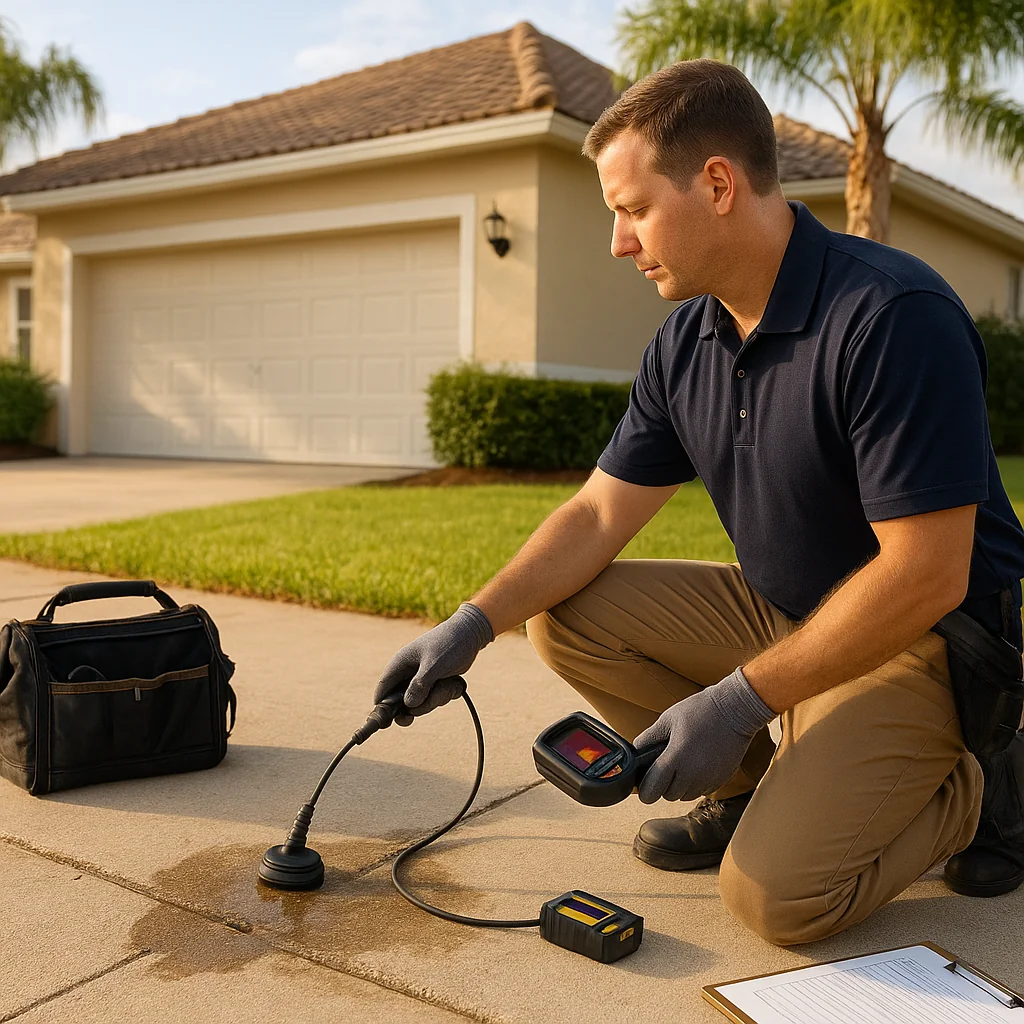
Professional slab leak detection in Orlando typically involves a combination of non‑invasive technologies:
- Acoustic listening devices – amplify the sound of water moving through a pipe.
- Thermal imaging cameras – highlight temperature differences caused by moisture.
- Electronic leak detection – uses voltage to locate leaks in copper or PVC lines.
- Pressure testing – isolates sections of the plumbing system to pinpoint loss.
These methods allow technicians from slab leak repair to locate the exact source without unnecessary demolition.
Understanding repair options
Once a leak is confirmed, the repair path depends on the pipe’s material, location, and the extent of damage. In Orlando, two main categories dominate:
Cold‑water line slab leak repair
Cold‑water lines typically carry water to fixtures and irrigation systems. Repairs often involve:
- Spot‑cutting the concrete to expose the pipe.
- Replacing damaged sections with modern PEX or copper.
- Re‑sealing the concrete using high‑strength epoxy.
For a deeper dive, see our guide on cold‑water line slab leak repair.
Hot‑water line slab leak repair
Hot‑water lines are more sensitive because they often run at higher temperatures and pressure. Repairs may require:
- Isolation of the water heater.
- Installation of flexible stainless‑steel tubing to reduce stress.
- Additional insulation to prevent future corrosion.
Read more about hot‑water line slab leak repair for detailed steps.
Cost considerations for home buyers
Repair costs in Orlando can vary widely. Below is a typical range based on recent projects:
| Repair Type | Typical Cost Range (USD) |
|---|---|
| Cold‑water line repair | $2,500 – $5,000 |
| Hot‑water line repair | $3,000 – $6,500 |
| Full slab excavation & repair | $7,000 – $12,000 |
These figures include labor, materials, and post‑repair testing. Buyers should negotiate repair credits or request that sellers complete the repair before closing.
Local factors that influence slab leak severity
Orlando’s unique geology—sandy soil overlaying limestone—creates a natural conduit for water. Neighborhoods built on older foundations, such as Seminole Heights, may experience higher incidence of slab leaks due to historic construction methods.
Even newer developments in Downtown Tampa are not immune, especially if the water pressure is not regulated correctly. Understanding the local water authority’s pressure standards can help buyers anticipate potential issues.
Steps for buyers when a slab leak is found
- Obtain a detailed inspection report that includes leak location, pipe material, and recommended repair method.
- Request a professional repair estimate from a licensed contractor such as Slab Leak Repair South.
- Negotiate repair credits or ask the seller to complete the repair before escrow closes.
- Consider a contingency clause in the purchase agreement that allows you to back out if repair costs exceed a set threshold.
- Schedule a post‑repair inspection to verify that the leak has been fully resolved.
Preventative measures after purchase
Even after a repair, ongoing maintenance can protect your investment:
- Install a water pressure regulator to keep pressure below 60 psi.
- Conduct annual visual inspections of exposed pipe sections.
- Monitor water bills for sudden spikes.
- Use a leak detection sensor near the main shut‑off valve.
By staying proactive, Orlando homeowners can avoid costly future repairs and maintain the structural integrity of their homes.
Conclusion
Late‑summer slab leak discoveries in Orlando require swift, informed action from home buyers. Understanding detection methods, repair options, and local nuances empowers buyers to negotiate effectively, protect their investment, and ensure a safe, dry home environment.
Leave a Reply