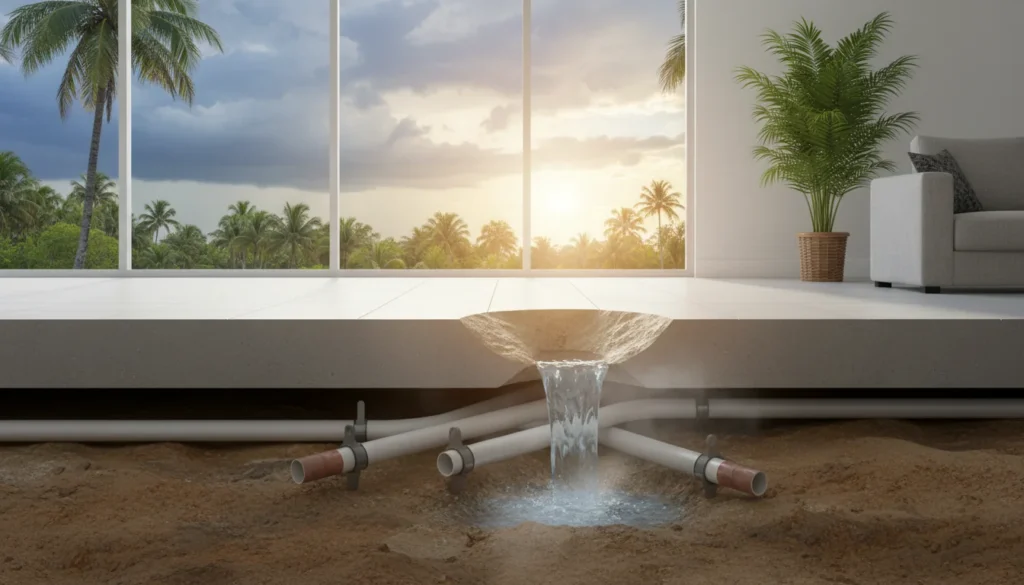
Understanding Hot Water Line Slab Leaks in Orlando’s Late Summer
Yes, hot water line slab leaks are significantly more common in Orlando during late summer months, and there are several scientific and environmental reasons why homeowners experience this seasonal spike. The combination of intense ground temperatures, prolonged heat exposure, and fluctuating water pressure creates the perfect storm for hot water line failures beneath concrete foundations. Understanding this pattern can help Orlando residents take preventative measures and recognize warning signs before minor issues become costly disasters.
Why Late Summer Creates Perfect Conditions for Hot Water Slab Leaks
Orlando’s late summer period, typically spanning from August through early October, presents unique challenges for underground plumbing systems. During this time, the ground temperatures reach their annual peak, having absorbed months of intense Florida sunshine. Unlike cold water lines that maintain relatively consistent temperatures, hot water lines experience dramatic temperature differentials that accelerate wear and deterioration.
The thermal expansion and contraction cycle becomes particularly aggressive during late summer. Hot water pipes already operating at elevated temperatures are surrounded by exceptionally warm soil, creating less temperature differential during use but more stress during cooling periods. This constant expansion and contraction weakens copper pipes, loosens joints, and can cause pinhole leaks to develop in vulnerable sections of the line.
Ground Temperature Impact on Pipe Integrity
By late summer, Orlando’s soil temperatures can reach 85-95 degrees Fahrenheit at the depth where most slab plumbing is installed. When hot water at 120-140 degrees flows through pipes surrounded by this warm soil, the reduced temperature gradient actually changes how the pipe materials behave. Copper pipes, the most common material in older Orlando homes, become more susceptible to corrosion and stress fractures when subjected to prolonged elevated temperatures.
The concrete slab itself acts as a heat sink during summer months, retaining warmth and creating an environment where hot water pipes never fully cool down. This perpetual heat exposure accelerates chemical reactions between the pipe material and surrounding soil or concrete, particularly in areas where protective coatings have degraded over time.
The Role of Water Pressure Fluctuations
Late summer in Orlando coincides with peak water usage across residential neighborhoods. Lawn irrigation systems run more frequently, swimming pools require constant topping off, and households use more water for cooling and cleaning purposes. These usage patterns create pressure fluctuations throughout municipal water systems that stress aging pipes beneath concrete foundations.
Hot water lines are particularly vulnerable to pressure changes because they already experience mechanical stress from thermal expansion. When municipal pressure spikes during low-usage hours or drops during peak demand, these variations can be the final stressor that causes a weakened pipe section to fail. Many homeowners discover they need hot water line slab leak repair services precisely when these pressure fluctuations are most pronounced.
Seasonal Water Chemistry Changes
Orlando’s water chemistry undergoes subtle changes during late summer that can accelerate pipe corrosion. Higher water temperatures in treatment facilities and distribution systems can increase the concentration of dissolved minerals and chlorine compounds. These chemical variations, while still within safe drinking water standards, can be more aggressive toward copper and other pipe materials.
The combination of warmer water temperatures and slightly altered chemistry creates conditions where electrochemical corrosion occurs more rapidly. This is especially problematic in homes with older plumbing systems where protective oxide layers inside pipes have already been compromised by decades of use.
Orlando-Specific Risk Factors
Orlando’s unique geological and environmental characteristics make the area particularly susceptible to late summer hot water slab leaks. The sandy soil composition, high water table, and limestone bedrock create conditions that differ significantly from other regions of the country.
The sandy soil prevalent throughout Orlando provides less structural support for pipes than clay-based soils found in other regions. As this soil heats up during summer months, it can shift slightly, creating additional stress on rigid pipe sections. The high water table means that many slab foundations exist in perpetually moist conditions, which can accelerate corrosion processes when combined with elevated temperatures.
Older Construction and Copper Pipe Prevalence
Many Orlando homes were built during construction booms in the 1970s through 1990s when copper piping was the standard for both hot and cold water lines. These pipes are now reaching ages where fatigue failures become increasingly common. The late summer heat acts as a catalyst that pushes already-stressed pipes beyond their failure threshold.
Neighborhoods in areas like Ybor City and Seminole Heights with older housing stock often see clusters of hot water slab leak incidents during late summer months. The combination of aging infrastructure and seasonal environmental stress creates predictable patterns that experienced leak detection professionals recognize immediately.
Warning Signs to Watch for During Late Summer
Orlando homeowners should be particularly vigilant for slab leak warning signs during August and September. Early detection can prevent extensive damage and significantly reduce repair costs. The most common indicators include unexplained increases in water bills, sounds of running water when all fixtures are off, warm spots on floors, and decreased water pressure specifically from hot water taps.
Hot water slab leaks often present with distinctive symptoms that differ from cold water line failures. Homeowners may notice that their water heater runs more frequently than normal as it compensates for water loss. Some report feeling warm or hot areas on tile or concrete floors, particularly in bathrooms, kitchens, or laundry rooms where hot water lines are concentrated.
Advanced Detection Methods
Modern underground pipe leak detection technology has revolutionized how professionals identify hot water slab leaks before they cause catastrophic damage. Electronic amplification equipment can detect the sound signature of water escaping under pressure, while thermal imaging cameras reveal temperature anomalies that indicate leak locations.
During late summer when ambient temperatures are high, thermal detection requires more sophisticated interpretation. Professional technicians must account for general ground heating and focus on temperature differentials that specifically indicate water flow patterns. This expertise is crucial for accurate leak location without unnecessary exploratory demolition.
Prevention Strategies for Orlando Homeowners
While some risk factors cannot be eliminated, Orlando homeowners can take proactive steps to reduce the likelihood of late summer hot water slab leaks. Regular plumbing inspections, water pressure monitoring, and strategic pipe replacement can extend the life of under-slab plumbing systems.
Consider having a professional plumbing inspection before late summer arrives, ideally in early July. This timing allows for the identification and repair of vulnerable pipe sections before seasonal stress factors intensify. Inspections should include water pressure testing, visual examination of accessible pipe sections, and review of water heater performance metrics that might indicate hidden leaks.
Water Pressure Regulation
Installing or adjusting a pressure-reducing valve can significantly extend the life of hot water pipes beneath your slab. Orlando’s municipal water pressure can vary considerably, and maintaining consistent pressure between 50-60 PSI reduces stress on aging pipes. This is particularly important during late summer when pressure fluctuations are most pronounced.
Pressure regulation also reduces the thermal shock that occurs when hot water flow suddenly stops or starts. These pressure spikes create mechanical stress at joints, bends, and weakened pipe sections where leaks most commonly develop.
Repair Options and Considerations
When hot water slab leaks do occur during Orlando’s late summer, homeowners face several repair options ranging from targeted repairs to complete line replacement. The best approach depends on factors including the age of the plumbing system, the location of the leak, and the extent of damage to surrounding structures.
Traditional repair methods involve breaking through the concrete slab to access the damaged pipe section. This approach, known as partial slab penetration repair, is often the most cost-effective solution for isolated leaks in otherwise sound plumbing systems. However, when pipes show signs of widespread deterioration, rerouting hot water lines above ground or through attic spaces may provide a more durable long-term solution.
Timing Considerations for Repairs
Late summer leak repairs in Orlando require special considerations regarding concrete curing and ground conditions. High temperatures and humidity affect how quickly repair concrete sets and reaches full strength. Professional contractors account for these factors when scheduling repairs and selecting materials appropriate for Florida’s climate.
Some homeowners choose to delay non-emergency repairs until cooler months when working conditions are more favorable. However, even small hot water slab leaks can cause significant damage over time, including foundation erosion, mold growth, and structural instability. The cost of delaying repairs often exceeds any savings from waiting for better weather conditions.
The Economic Impact of Seasonal Slab Leaks
The concentration of hot water slab leaks during late summer creates measurable economic impacts for Orlando homeowners and the local service industry. Insurance claims related to slab leaks peak during August and September, and repair companies experience their busiest seasons during these months.
Homeowners who understand this seasonal pattern can potentially save money by scheduling preventative inspections during slower periods when service providers may offer more competitive pricing. Additionally, early detection through vigilant monitoring during high-risk months can prevent minor leaks from escalating into major damage requiring extensive foundation repairs.
Long-Term Planning and Home Value
For Orlando homeowners considering selling their property, addressing potential hot water slab leak issues before listing is crucial. Home inspections frequently identify signs of current or previous slab leaks, and buyers in the Orlando market are increasingly aware of this common issue. Proactive repairs and documentation of plumbing system condition can preserve home value and facilitate smoother real estate transactions.
Homes with documented plumbing upgrades or recent slab leak repairs often command premium prices because buyers gain confidence in the property’s infrastructure. This is particularly relevant in Orlando’s competitive real estate market where home condition significantly influences buyer decisions.
Professional Assessment and Peace of Mind
Given the increased risk of hot water line slab leaks during Orlando’s late summer months, professional assessment provides valuable peace of mind for homeowners. Experienced leak detection specialists can identify vulnerable pipe sections, assess overall system condition, and provide recommendations tailored to your specific property and plumbing configuration.
The investment in professional inspection is modest compared to the potential costs of undetected leaks. Water damage, foundation repairs, mold remediation, and increased utility bills from hidden leaks can total thousands of dollars. Early detection and targeted repairs prevent these cascading costs while preserving your home’s structural integrity and value.
Leave a Reply