Understanding September’s Unique Risk for Slab Leaks in Central Florida
September marks a critical transition period in Central Florida’s climate cycle, creating the perfect storm of conditions that stress concrete foundations and underground plumbing systems. As Orlando residents shift from the intense summer heat to early fall patterns, the combination of residual ground saturation, temperature fluctuations, and seasonal weather changes creates unprecedented pressure on home foundations. This convergence of factors makes September the busiest month for slab leak detection and repair services throughout the region.
For homeowners in Orlando and surrounding areas, understanding why this particular month poses such significant risks can mean the difference between catching a small leak early and facing thousands of dollars in foundation damage. The seasonal patterns that affect Central Florida are unique compared to other regions of the country, requiring specialized knowledge and vigilant monitoring during this critical time period.
The Science Behind September Slab Leak Risks
Ground Saturation from Summer Rainfall
Central Florida experiences its wettest months during the summer, with June through August bringing intense afternoon thunderstorms that saturate the soil beneath home foundations. By September, the ground has absorbed months of accumulated moisture, reaching maximum saturation levels. This waterlogged soil creates hydrostatic pressure against foundation slabs, pushing moisture upward through microscopic cracks and stressing underground pipe connections.
The sandy soil composition common throughout the Orlando area compounds this issue. Unlike clay-based soils that expand and contract predictably, sandy soils shift and settle unevenly when saturated, creating stress points along copper and PEX water lines running beneath concrete slabs. These stress points become vulnerable failure zones where leaks are most likely to develop.
Temperature Differential Stress
September introduces the first significant temperature variations after months of consistent heat. While daytime temperatures may still reach the high 80s or low 90s, nighttime temperatures begin dropping into the 70s. This thermal cycling causes concrete slabs to expand and contract at different rates than the metal pipes embedded within them.
Copper pipes, which comprise the majority of under-slab plumbing in older Orlando homes, are particularly susceptible to this thermal stress. As metal expands and contracts at a different rate than surrounding concrete, the friction and movement can wear through pipe walls at connection points and create pinhole leaks that gradually worsen over time.
Hurricane Season’s Hidden Impact on Foundation Plumbing
September falls squarely within Atlantic hurricane season, which peaks between mid-August and late October. Even when major storms don’t make direct landfall in Central Florida, the atmospheric pressure changes, increased rainfall, and ground movement associated with tropical systems create substantial stress on underground plumbing infrastructure.
Barometric pressure fluctuations during storm systems can cause water pressure variations within home plumbing systems, potentially revealing weaknesses in aging pipes. Additionally, the saturated ground conditions during and after tropical weather events reduce soil stability, allowing slight foundation settling that can torque or bend under-slab pipes beyond their tolerance limits.
Neighborhoods throughout the Orlando metropolitan area experience these effects differently based on elevation, drainage patterns, and soil composition. Areas with established drainage systems may fare better than newer developments still adjusting to natural water flow patterns.
Aging Infrastructure Meets Seasonal Stress
Many Orlando-area homes were constructed during building booms in the 1970s, 1980s, and 1990s, meaning their under-slab plumbing systems are now 30 to 50 years old. Copper pipes have a typical lifespan of 50 years under ideal conditions, but Central Florida’s unique environmental factors accelerate corrosion and wear.
The combination of mineral-rich groundwater, soil acidity variations, and constant moisture exposure creates an aggressive environment for metal pipes. By September, after months of summer heat and moisture exposure, these aging systems reach a critical stress point where small weaknesses become active leaks.
Communities such as Forest Hills and Northdale, which feature many homes from these construction periods, see particularly high rates of slab leak incidents during September as seasonal conditions expose decades of accumulated wear on underground plumbing systems.
Increased Water Usage Patterns in Early Fall
September brings changes in household water consumption patterns that can reveal existing leaks or create new stress on plumbing systems. As children return to school and families resume regular routines after summer vacations, water usage becomes more concentrated during specific times of day, particularly morning and evening hours.
These usage spikes create pressure surges throughout home plumbing systems. When pipes have developed weak spots from age or environmental stress, these pressure variations can transform a microscopic weakness into an active leak. Additionally, irrigation systems continue operating at summer levels even as natural rainfall remains high, maintaining constant pressure on underground supply lines.
The Role of Water Heaters in Seasonal Leaks
Water heaters work harder during summer months to keep up with increased household demand, and by September, this extended stress period can reveal weaknesses in hot water supply lines. The combination of thermal stress from heated water and physical stress from months of high-volume usage creates particular vulnerability in hot water lines running beneath concrete slabs.
Professional underground pipe leak detection services often identify hot water line failures during September inspections, as the thermal differential between heated water and cooling ground temperatures creates expansion and contraction cycles that accelerate pipe deterioration.
Warning Signs Orlando Homeowners Should Monitor in September
Vigilant homeowners can catch slab leaks early by watching for specific indicators that become more apparent during September’s transitional weather patterns. Unexplained increases in water bills often provide the first clue, as even small slab leaks can waste hundreds of gallons daily.
Physical signs include warm spots on floors, particularly in areas where hot water lines run beneath the slab. The cooling September temperatures make these warm areas more noticeable compared to summer months when ambient temperatures mask the heat signature. Damp or discolored flooring, especially tile or hardwood that appears darker in specific areas, indicates moisture wicking up through the concrete.
Sound cues also become more detectable as household activity patterns normalize in September. The sound of running water when all fixtures are turned off, or a water meter that continues spinning during periods of no usage, definitively indicates a leak somewhere in the system.
Foundation and Structural Indicators
Cracks in walls or floors that appear or worsen during September may indicate foundation settling caused by water infiltration from a slab leak. While some minor cracking is normal in concrete foundations, sudden appearance or rapid expansion of cracks warrants immediate professional inspection.
Doors and windows that suddenly stick or don’t close properly can also signal foundation movement related to water damage. As leaked water undermines soil support beneath the foundation, subtle shifting occurs that affects the entire structure’s alignment.
Why Professional Detection Becomes Critical in September
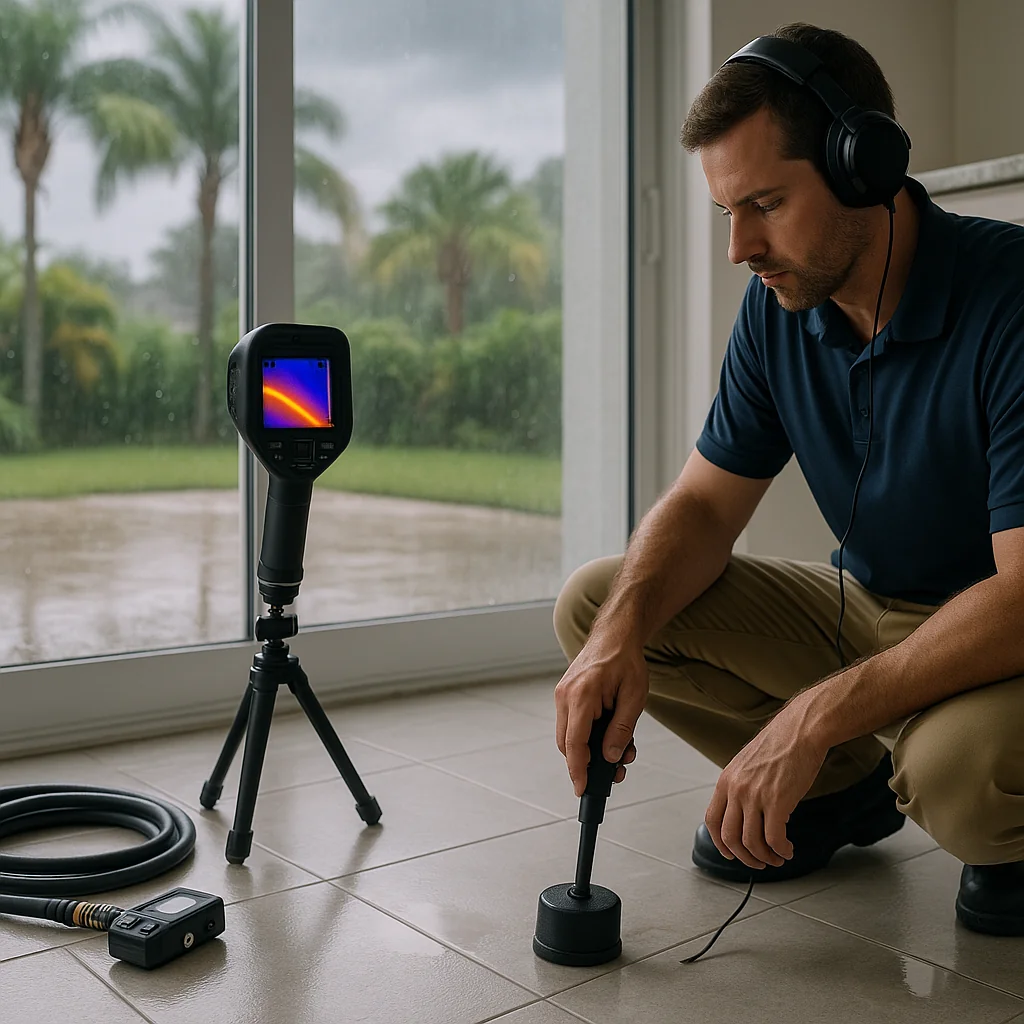
The complexity of diagnosing slab leaks during peak season requires specialized equipment and expertise that goes beyond basic plumbing knowledge. Professional leak detection technicians use electronic amplification equipment, thermal imaging cameras, and tracer gas systems to pinpoint leak locations without destructive exploratory digging.
September’s environmental conditions actually enhance certain detection methods. Thermal imaging becomes more effective as temperature differentials between leaked water and surrounding concrete increase with cooling weather. Similarly, moisture meters provide more accurate readings as background humidity levels begin decreasing from summer peaks.
For residents throughout the Orlando area, including communities like University Square and Ybor City, scheduling preventive inspections during September can identify developing problems before they escalate into emergency situations requiring extensive repairs.
The Cost-Benefit Analysis of September Inspections
Proactive slab leak detection in September represents a strategic investment that can save homeowners thousands of dollars in avoided damage. A professional inspection typically costs a fraction of what emergency repairs require, and early detection allows for planned repairs during convenient scheduling rather than crisis response.
Insurance considerations also favor early detection. Many homeowner policies cover sudden and accidental water damage but may dispute coverage for long-term leaks that could have been detected and addressed earlier. Documentation of regular preventive inspections strengthens claims and demonstrates responsible property maintenance.
Long-Term Property Value Protection
Undetected slab leaks cause progressive damage that compounds over time. What begins as a small leak can undermine foundation integrity, promote mold growth, damage flooring and walls, and create costly secondary problems that far exceed the original repair cost.
For Orlando homeowners planning to sell properties, undisclosed slab leak history can derail transactions during inspection periods. Conversely, documentation of professional detection services and proactive maintenance enhances buyer confidence and supports asking prices.
Preventive Measures for Orlando Homeowners
While some slab leak risk factors remain beyond homeowner control, several preventive strategies can reduce vulnerability during September’s peak season. Monitoring water pressure ensures systems operate within safe parameters, typically between 40 and 80 PSI. Excessive pressure accelerates wear on pipes and connection points.
Water quality testing identifies corrosive elements that may be attacking pipes from the inside. Central Florida’s groundwater varies significantly in mineral content and pH levels depending on location. Professional water treatment systems can neutralize corrosive elements and extend plumbing system lifespan.
Landscape and irrigation management also plays a crucial role. Ensuring proper drainage away from foundations reduces hydrostatic pressure against slabs. Adjusting irrigation schedules to account for September rainfall prevents unnecessary water saturation around foundations.
What to Expect from Professional Slab Leak Detection Services
Understanding the detection process helps homeowners prepare for inspections and make informed decisions about services. Initial assessment typically involves reviewing water bills for usage anomalies, inspecting visible plumbing fixtures, and conducting pressure tests to identify system losses.
Advanced detection employs multiple technologies depending on specific circumstances. Electronic amplification equipment detects the sound signature of water escaping under pressure, which skilled technicians can pinpoint to within inches. Thermal imaging reveals temperature anomalies indicating water accumulation or active leaks.
Tracer gas detection offers the most precise location identification for difficult cases. Technicians introduce a harmless gas mixture into the plumbing system, then use sensitive detectors to identify where gas escapes through leak points. This non-invasive method eliminates guesswork and minimizes repair area disruption.
Choosing the Right Time for Detection Services
While September represents peak risk season, the best time for individual homes to schedule detection depends on specific risk factors. Homes over 25 years old with original plumbing should prioritize September inspections as preventive maintenance. Properties that have experienced previous slab leaks face elevated risk for additional failures and warrant annual September assessments.
Recently purchased homes benefit from baseline inspections that establish current system condition and identify potential concerns before they become emergencies. This documentation proves valuable for warranty claims and future maintenance planning.
Homes showing any warning signs should schedule immediate inspection regardless of season. The longer a slab leak continues, the more extensive and expensive repairs become. September’s peak season may mean slightly longer scheduling waits, so homeowners noticing symptoms should contact professionals promptly rather than delaying until problems worsen.
Leave a Reply